As my friends know, I’ve been a BMW fan for years. We purchased our first one, a metallic red 2002, on European delivery back in 1975. We picked it up at the factory in Munich and drove through Germany, Austria, Italy, Switzerland and France before dropping it off in Paris to be shipped home.
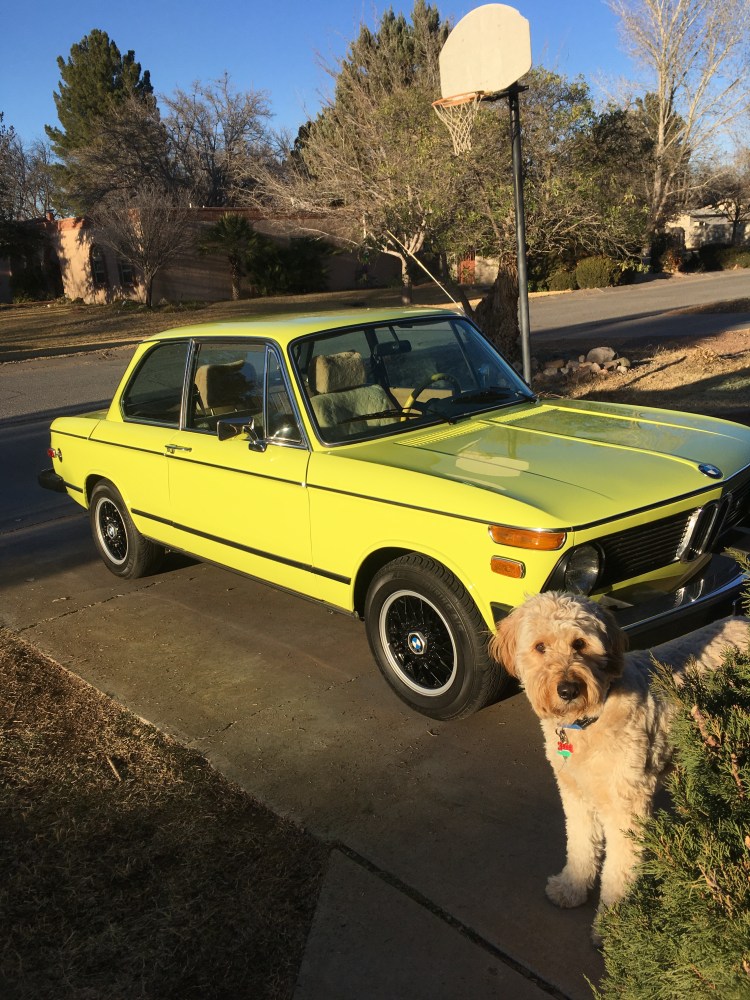
Since then, I’ve owned a dozen more in various models and sizes and currently have two — my 1975 hobby car below and an X3 driven mostly by my wife.
BMWs can be expensive to maintain, particularly if you have an older high-end model out of warranty and you don’t want to do some of the work yourself. Luckily, the last three that I’ve owned have been virtually trouble free.
The car that made the most nervous was a used 1988 735i, a beautiful cruiser for long distance touring. It had a strong reliable engine, graceful suspension and responsive transmission, but it was manufactured at the beginning of use of a lot of electronic features which had not yet been completely sorted out by car makers. When the car was first parked, you could hear a two-minute cycle of multiple ventilation doors somewhere deep inside the dash closing and opening. Beneath the back seat and in the trunk was a collection of electronic black boxes that I had no idea of their function. Troubleshooting the electronics for the ventilation system and then repairing any one of the malfunctioning doors would have meant hours of dashboard removal at a cost that would easily have been more than $1,000. A fellow BMW owner told me he had once spent more than $1,500 to repair the electronics on a power seat on his 735i, and that was at least 20 years ago when that amount was not just a drop in the bucket.
I finally decided to sell it when the reader board at the bottom of the instrument cluster randomly began giving out instructions in German.
“Bitte schließen Sie die Tür,” it instructed me one day. (I was later able to translate it to “Please close the door.”)
“Sie haben wenig Benzin” was another instruction warning me that I was low on gas.
Analyzing what was wrong with the then primitive electronics was not something I could do myself, and it might have cost more to fix the reader board than the car was worth at that time. So I parted ways with it, hoping that the next owner would find the occasional lapse into German amusing and not frightening as I did.
I mention this because I spotted a funny post a few days ago that a very expensive new Porsche model was having difficulty in translating from German to English.
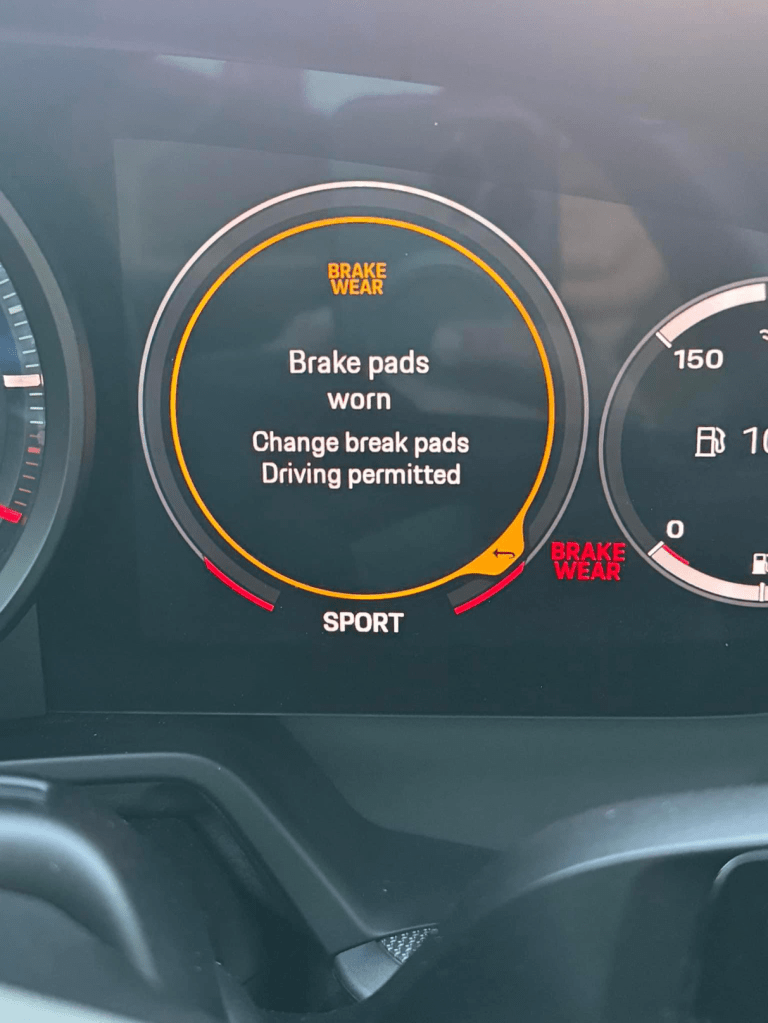
Or maybe Porsche has developed a new feature that surrounds drivers with pads occasionally to give them a “break” if they decide to take a nap while using driverless cruise control. But apparently the feature only works if you’ve changed the “brake” pads in your $150,000+ German sports car.
 aero-cordero.com