While the Coronavirus has claimed an estimated 7 million lives around the world since it first appeared in early 2020, it was nothing compared to the plague epidemic which gripped Europe and northern Africa from 1346 to 1353. Estimates are that between 25 and 50 million people died during the plague, also known as the “Black Death.” Half of the population of Paris is said to have perished during the pandemic.
I mention this because the Albuquerque Journal reported last month that the state had recorded its first fatal case of bubonic plague this year. It was the first death from the plague in New Mexico since 2020.
As a reporter for United Press International in Santa Fe, I wrote many stories about plague cases in the state during the 1970s.
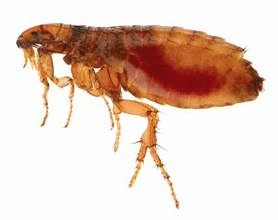
The disease is endemic in New Mexico, usually spread from fleas from an infected animal that a human comes in contact with or from fleas on a pet that has been exposed to an infected animal. The bite of an inflected flea is what normally transmits the disease to a human.
In Europe, much of the disease was spread as the pneumonic form, which could be transmitted through the air by humans breathing or coughing on another human.
In New Mexico, largely because of our arid climate, the organism which causes the disease has been around forever. Cases usually increase during the warmer summer months when humans (and their pets) venture outdoors. If you live in an area of the state where the plague is common, you can reduce your chance of getting the plague if you avoid any dead wild animals and keep your pets treated for fleas.
One summer when I was a reporter in Santa Fe, there was an unusual uptick in the number of plague cases. In fact, entomologists determined that a dog named “Snoopy,” owned by then New Mexico Gov. David F. Cargo, carried infected fleas and the governor’s mansion had to be disinfected for the insect.
I also remember that the high number of cases had caught the attention of a foreign country — I think it was somewhere in the Middle east — and it banned visitors from New Mexico for a period of time.
The good news is that these cases are pretty rare, and because they occur on a fairly regular basis in our state, doctors in New Mexico are more likely to pick up on plague symptoms and know how to diagnose and treat patients.
There is no lack of wild critters roaming through our neighborhood — skunks, foxes, raccoons, squirrels, pack rats, coyotes — so we’ve been careful about giving our dog a regular treatment to keep fleas at bay.
Which reminds me that it’s time today to force Chester to gulp down a large chunk of medicine which he really dislikes and is no fun for me either. When my hands recover from being bathed in slimy dog slobber, I’ll start writing my next blog.
 aero-cordero.com