During World War II, Britons dubbed the German VI rocket that terrorized London as the “Doodlebug.” It alerted residents of its approach with an annoying pulsing buzzing sound from its primitive rocket motor, then became silent when the engine quit over the city and then after a few moments exploded when it crashed randomly around London.
Well, this post is not about that rocket, but about a real bug that I believe has its largest population base in the world just a short walk from our house.
It’s more commonly known as the “ant lion” or “antlion” and its scientific name is Myrmeleontiformia, (you can click on the name for a Wikipedia link to learn more about it.)
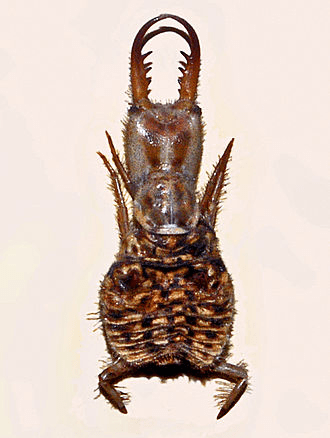
Its sole purpose in life is to catch other small insects in a cleverly crafted pit in loose sand or dirt, attack them with its formidable jaws, inject them with poison and then suck the juice out of them. Sometimes, they can kill insects larger than themselves. On their journey to create the “insect pit of death,” the bugs leave a crazy wandering pattern on the ground looking like someone’s mindless doodling with a pen on paper — hence the name “doodlebug.” For the longest time, I thought earthworms were leaving the meandering paths, but after some research discovered they were created by these weird bugs.

Just down the street and around the corner from our house, there is one section of dirt bordering the roadway where there are literally hundreds of the bug traps left by the ant lions. Below are a couple of photos I took recently of the doodlebug-infested landscape:
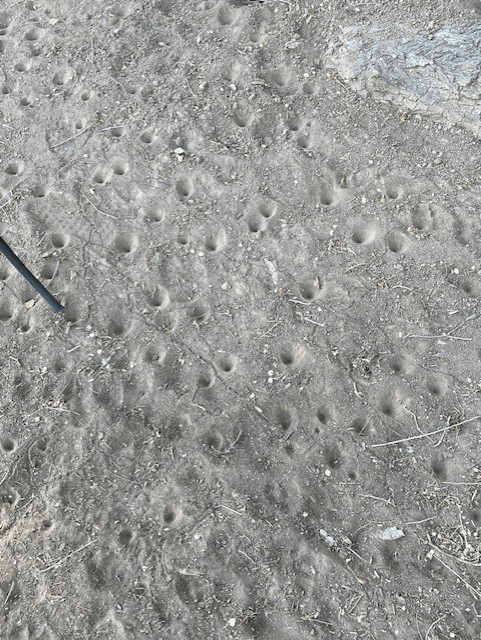

I’m not sure why the population of ant lions has chosen this particular spot for their home. It’s probably the fine sand that provides the slippery slope that their victims can’t escape from when they fall into the traps.
As I’ve mentioned before, our neighborhood has been home to lots of wildlife over the years — raccoons, skunks, squirrels, javelinas, foxes, owls, wild turkeys, coyotes, etc. I guess there is just something about Mesilla Park that appeals to critters.
I’m happy the ant lions seem to like it here and take care of capturing otherwise undesirable ants, spiders (and maybe scorpions), but I’m especially happy that they’re not large enough to create traps that humans can fall into and have their blood sucked out.
 aero-cordero.com