For years, mostly when my son and daughter were younger and still in college, I’d send them random e-mails about funny things I’ve sighted in my travels through the state or had read about in local newspapers.
Things like a State Police officer having his way with a woman on the hood of his cruiser while a pet Chihuahua looked on and the security camera was rolling. Things like a ghost wandering through an Espanola public services parking lot. Things like the sign on the Navajo Nation offering to sell live goats and Avon products at a roadside stand.
These e-mails were incubators of my current Aero-Cordero blog, which reports on topics historical, hysterical and just plain weird about our 49th state. My son once said that Espanola’s slogan should be “Espanola never disappoints.” I think that could be expanded to say “New Mexico never Disappoints.”
A couple of things showed up on my radar last week that fall directly into the “never disappoints” category.
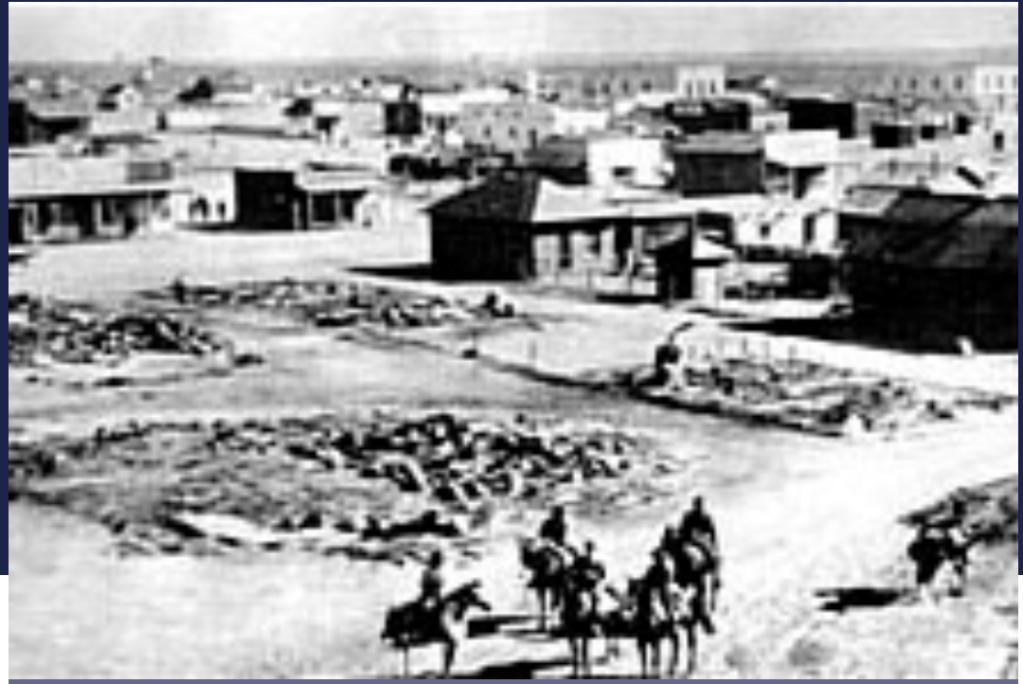
First, did you know that the only time in current history* that the United States mainland has been invaded by an organized para-military force was right here in New Mexico — just about 60 miles west of us in the town of Columbus on the U.S.-Mexico Border 110 years ago.
Villa, a self-appointed defender of the agrarian poor in northern Mexico, organized the raid because he was angry at the United States for supporting the incumbent Mexican president, Porfirio Diaz, in a major escalation of the ongoing Mexican revolution.
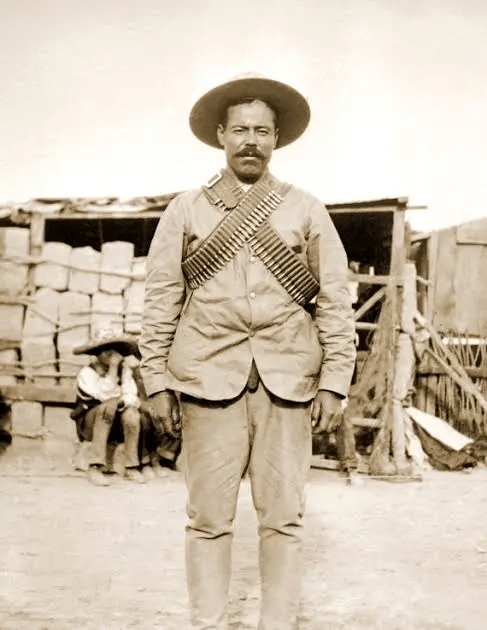
On March 9, 1916, Villa led roughly 500 of his supporters known as “Villistas” in a raid on Columbus, New Mexico, and the adjacent U.S. Army camp, killing 17 Americans (10 civilians, 8 soldiers). The attack, prompted President Woodrow Wilson to send a “Punitive Expedition,” led by Gen. John J. Pershing, into Mexico, though they failed to capture Villa after nine months of searching. It also marked the first time American aircraft were used in a tactical mission in another country.
Approximately 70 Villistas were killed during the raid, including some who were captured and later hung.
As an aside, I worked with a woman in one of my previous careers who had grown up in El Paso and said her grandmother had done Villa’s laundry when he was in the city just across the border in Juarez. By all accounts, Villa was very kind and paid her grandmother handsomely for her work.
Last week I wrote about the efforts of Robert Goddard, the pioneer of liquid fueled rockets who did much of his early research in the high plains of southeastern New Mexico near Roswell. His first experimental rocket was launched just a little over 100 years ago on his aunt Effie’s farm in Massachusetts.
Because of his efforts, Germany began further development of liquid fueled rockets which led to the formidable V2 rocket used toward the end of World War II on England. After the war, the United States captured several of these rockets and began deconstructing and testing them at our own White Sands Missile range just across the Organ Mountains from Las Cruces.
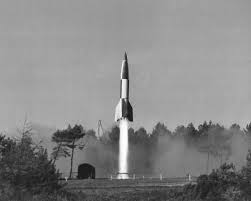
On May 29, 1947, one of the V2 rockets being tested at White Sands went off course and flew south toward Juarez, Mexico, crash landing in a cemetery.
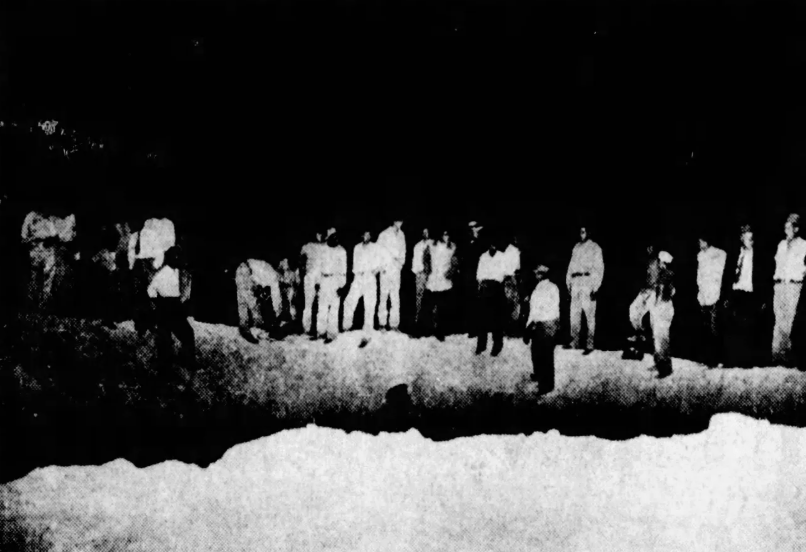
The El Paso Times reported that between 1946 and 1950, about 60 captured V2 rockets were launched at White Sands for testing. The impact in Juarez on May 29, 1947, was a little too late to highlight a “Cinco de Mayo” celebration, but the El Paso Times said it did happen to “interrupt a nearby Mexican fiesta.”
So there you have it. We were invaded by another country in New Mexico and we conducted the first launch of a military rocket into a neighboring country from inside our own borders. That’s why I love New Mexico and its oddball history.
*To be clear, the War of 1812 involved multiple invasions by England into certain areas of the east coast of the United States. In those cases, the invasion was launched by sea. The Pancho Villa invasion was the first time a neighboring country crossed the border on land.
 aero-cordero.com