Many New Mexico residents, including me, have been receiving scam mailings or e-mails regarding pending punitive action because we have not paid for recently traveling on a state toll road.
SPOILER ALERT: There are no toll roads in New Mexico.
The mail I got wanting me to pony up my credit card number and other personal information was pretty sketchy. It was sent from an out-of-state address, did not specify what toll road was involved, did not identify my vehicle and except for a fuzzy rendition of the state seal, did not have any appearance of an official state legal document. And my fine for not paying the toll was due Feb. 4 — oops, I missed that deadline. “:^{
On various recent social media postings I’ve read, people have been laughing about how lame this so-called “smishing” expedition is. Below is a link to the New Mexico Department of transportation warning state residents about the scam:
But hold on a minute — there was actually an attempt to establish a toll road along New Mexico 285-84 in northern New Mexico about 1978.
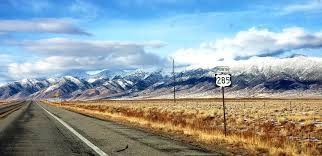
It seems that the Nambe Pueblo, between Santa Fe, Espanola and Los Alamos, felt the state owed the Native American pueblo money for allowing U.S. 285 and U.S. 84 to cross their lands. The conflict revolved around tribal sovereignty and the pueblo’s claim that the state had not lived up to its requirement to compensate it for the right away across their sacred lands.
I was a journalist with United Press International at the time and remember seeing photos and hearing stories of people being stopped at tribal roadblocks on the highway as it passed through Nambe Pueblo lands, with officers demanding toll money from motorists. The route is heavily traveled, with employees at the Los Alamos National Laboratory, and workers from Espanola who had jobs with the State of New Mexico flooding the route at rush hour. I don’t recall the temporary toll road lasting for very long before the state realized it needed to renegotiate the right of way agreement with Nambe and other northern Pueblos along that route.
Negotiations over the right of way continued for years and things mostly calmed down until in 1995, when a federal prosecutor threatened to shut down gambling casinos operated by the various pueblos along that heavily traveled stretch of highway.
Pojoaque Tribal Leader Jacob Viarrial was adamant in his intention to close the highway because of the threatened shutdown of the casinos.
“It’s to show our frustration,” Viarrial said of the road blockade on Christmas day in 1995. “It’s to show that we have come to the end of the line. We’re backed into a corner. We’ve become a wounded animal and we need to fight back.”
Working with then Gov. Gary Johnson, the state was eventually able to negotiate a deal between the tribes and the federal government which allowed the casinos to remain open.
 aero-cordero.com