New Mexico’s love affair with chile continues to stir debate amongst its aficionados — which I figure is just about everyone in the Land of Enchantment.
Too hot or too mild, red vs. green, grown in Hatch or Chimayo — we’ve probably argued about every one of these issues at one time or another with another chile connoisseur.
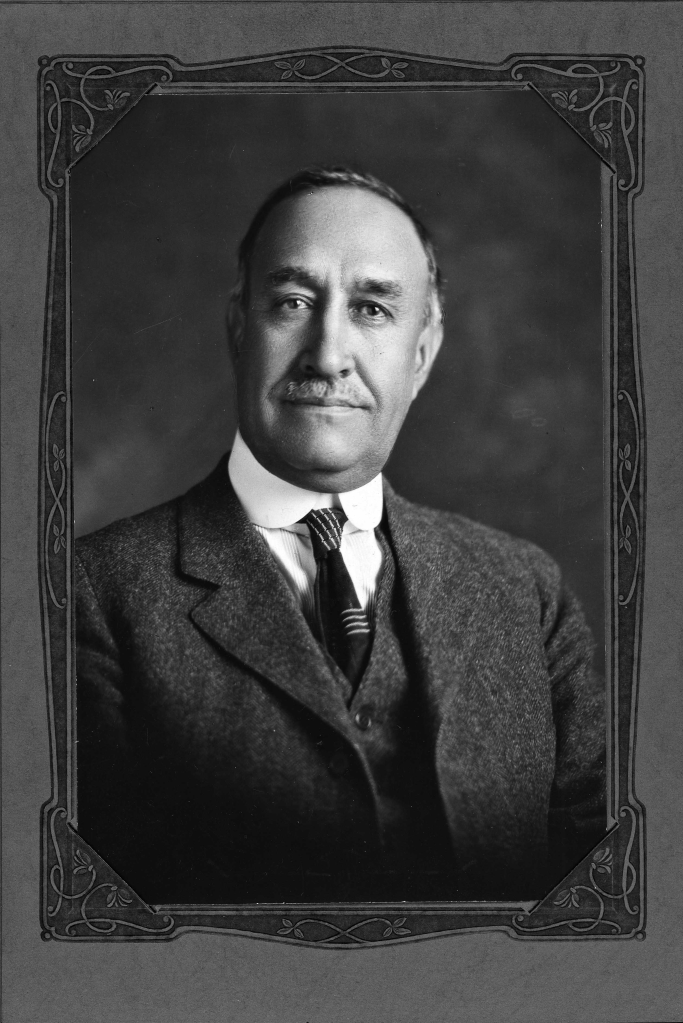
And where better to make those arguments than in New Mexico, where the first serious research into the plant was initiated in the late 1880s by legendary horticulturist Fabian Garcia of the then New Mexico College of Agricultural and Mechanical Arts (now New Mexico State University.)
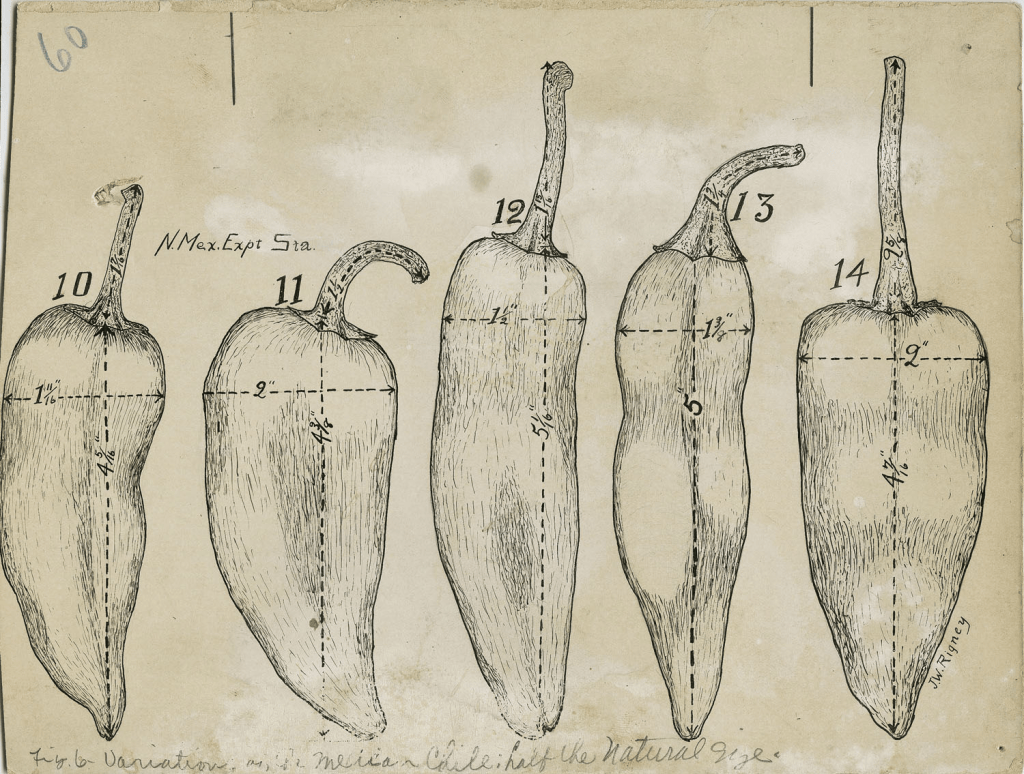
Garcia developed the first standardized chile plant, the New Mexico No. 9, which is the genetic base for all varieties grown today. Many more varieties of chile have been developed since then, most of them at NMSU by the Department of Plant and Environmental Sciences within the College of Agriculture, Consumer and Environmental Sciences. He would be pleased to know that research continues on chile and chile production beyond just developing new varieties.
This week, I attended a free presentation regarding chile flavor at the New Mexico Chile Pepper Institute just around the corner from my house at the appropriately named Fabian Garcia Research Center.
A young woman named Bunali Jogodage from the southeast Asian country Sri Lanka is working on her PhD dissertation on what makes that famous “taste” that we crave in our green chile. Her presentation went into depth about what elements — chemical and environmental — make up the flavor in green chile. Flavor, it turns out, is a combination of taste, aroma, texture and of course, how much “heat” it has. Taste includes sweetness, bitterness and sourness. Aroma includes things like fruity, floral, earthy and “grassy” notes, according to the research by Jogodage. Texture includes things like crunchiness, smoothness, etc. And there’s always the heat factor, rated on the Scoville Heat Unit (SHU) scale. (A bell pepper has zero SHU, while a jalapeno kicks in at 2,500 to 8,000 SHU and a Trinidad Moruga Scorpion chile obliterates your taste buds at 1.2 MILLION SHU.
Now I’m going to pause here and say that preferences in individuals’ taste for chile is about as quantifiable as humans’ preferences for classic vs. rock music, Ford vs. Chevrolet or cats vs. dogs. As an example, my favorite chile has a bit more heat than what my wife prefers and is way less than some hard core spicy foods competitors like.
But I think in all varieties, there’s that certain “it” in chile flavor that makes us keep coming back for more.
The problem has been that chile — even in specific varieties — is still not always consistent. I get chile from a vendor who sells me a NuMex Heritage Big Jim variety. Some years it has perfect taste and heat, but sometimes, it seems that the heat is so strong that it overpowers the “it” flavor. The original Big Jim variety, developed by another NMSU horticulture specialist, Dr. Roy Nakayama in 1975, has apparently been growing hotter each year with continued environmental cross pollination, hence the development of the newer and milder NuMex Heritage variety.
In her research, Jogodage hopes to find answers to producing more consistency for “describing and comparing” taste in varieties. Doing so will help future breeding programs, chile processors, restaurants and consumers maintain that consistent “it” flavor we all desire.
Her research so far focused on five different varieties of chile — NuMex Heritage 6-4, NuMex Odyssey, Joe E. Parker, Machete and Arizona 20. Eight persons were recruited to participate in the tasting part of the research after receiving two hours of training. They were expected to grade — on a scale of 1-10 — such elements as sweetness, pungency, sourness, bitterness, green bell pepper flavor, grassy notes, earthy hints, musty elements and dark leafy greens sensations.
In addition to recording those preferences, Jogodage did chemical analysis of the varieties using spectrophotometry and chromophotography equipment.
All of her research involved raw — not roasted — chile varieties. The next step will be to determine how roasting affects the taste of the varieties. And of course, there will always be environmental factors to be considered in future research– amount of water used, humidity, temperature, sun exposure and soil. Harvesting techniques and times from harvest to roasting will also likely be factors.
At the conclusion of the presentation (which I am only giving a glancing blow to explaining), we were asked to fill out a form expressing our satisfaction level with the candidate’s work. It also included a place where we could volunteer for future taste testing experiments in Jogodage’s research. And yes, I signed up for that. Hopefully I’ll be picked as a laboratory rat and make my preferences known about chile varieties. (I’ll probably pick as my favorite a variety with medium heat with a touch of sweetness and maybe an earthy finish at the end.)

