In bouts of extended inactivity and resulting boredom during my time as a same day registration official during the June 2 New Mexico primary election season, I start thinking of things to write about in my blog.
New Mexico critters seemed to come to mind frequently for blog topics and when someone walked into my polling location wearing a “Gila Monster” T-shirt, I thought that might be worth looking into.
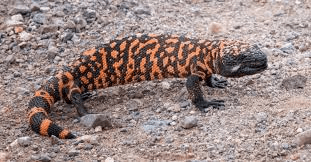
And yes, there are some of those poisonous lizards crawling around in far southwestern New Mexico — Grant, Hidalgo and Luna County in particular. An AI source on my search engine estimates there are “a few thousand” of the endangered species (scientific name Heloderma suspectum) in the state.
When I looked up information about Gila monsters, I found a post from 2024 where a hiker in Grant County spotted one and posted it on his Facebook page.
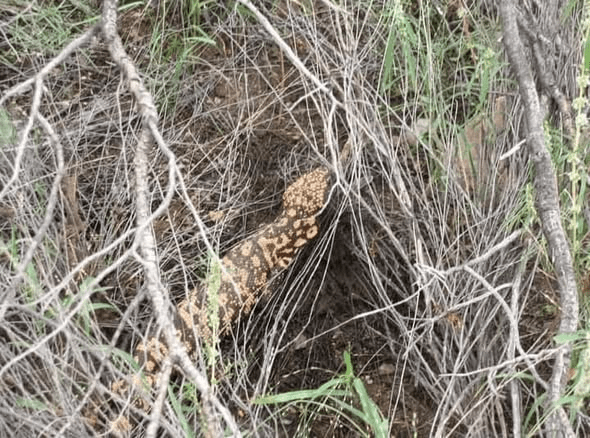
There were comments about the post from several individuals, mostly saying that in all their years of hiking and being outdoors, they had never spotted one in the wild in New Mexico.
“I spent almost 50 year in New Mexico and a lot of that was outdoors and never saw one,” said one person’s comment about Gila monsters.
“What a treat,” said another “I’ve spent over 40 years all over the Southwest desert but have never seen one.”
Gila monsters are pretty hard to find, usually staying out of the sun under rocks or other cover 95 percent of the time. They do have a poisonous bite, but are not aggressive and are very slow moving. The bite is initially very painful, but usually not fatal in healthy adults. Deaths from a bite of this species have been rarely recorded. They are the only venomous lizard in the United States.
Averaging from 10 to 14 inches in length, their beaded skin is actually formed by small bones underlying the bumps. The tough skin is designed to protect the lizard from predators. They only eat three or four meals a year, usually preferring eggs of birds or other lizards. Their thick tails store water and fat, enabling them to go a long time between meals and water breaks.
They are considered an endangered or protected species and state wildlife agencies encourage those who see them to report the sighting. Another interesting fact is that they have long lives, usually at least 20 years in the wild. One in captivity lived 36 years according to a site called “TreeHugger.” There are some more interesting facts about the critters at this website:
https://www.treehugger.com/gila-monster-facts-5117026
In an earlier post I wondered about whether New Mexico State University might consider changing its mascot to the Javelina instead of an Aggie. So what about the NMSU Gila Monsters? Well, the name sounds ferocious but we’re talking about a really slow moving lizard with a fat tail — somehow not conjuring up fear in an opponent’s mind.

