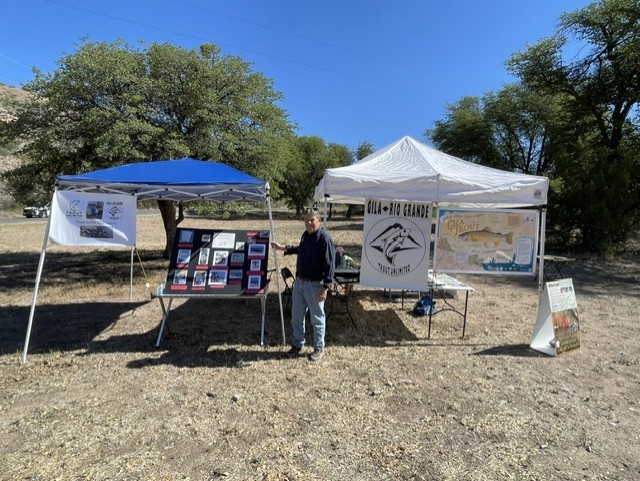
Last weekend was the official opening of the remodeled and updated Glenwood, NM, fish hatchery which now produces only the once endangered Gila trout species. I managed to get a personal tour of the facility while our Trout Unlimited organization hosted an information booth at the “GILAFEST” celebration. That event commemorated the updated hatchery and the opening of the new 107-acre Glenwood-Allred Wildlife Management area adjacent to the town of Glenwood.
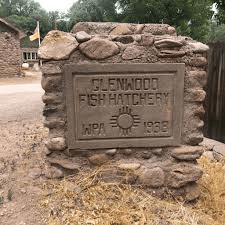
The original hatchery was constructed in 1938 by the Works Progress Administration as part of the nation’s efforts to revitalize the economy after the great depression of the 1920s. It has been operated since then by the New Mexico Wildlife Department (formerly New Mexico Game and Fish Department).
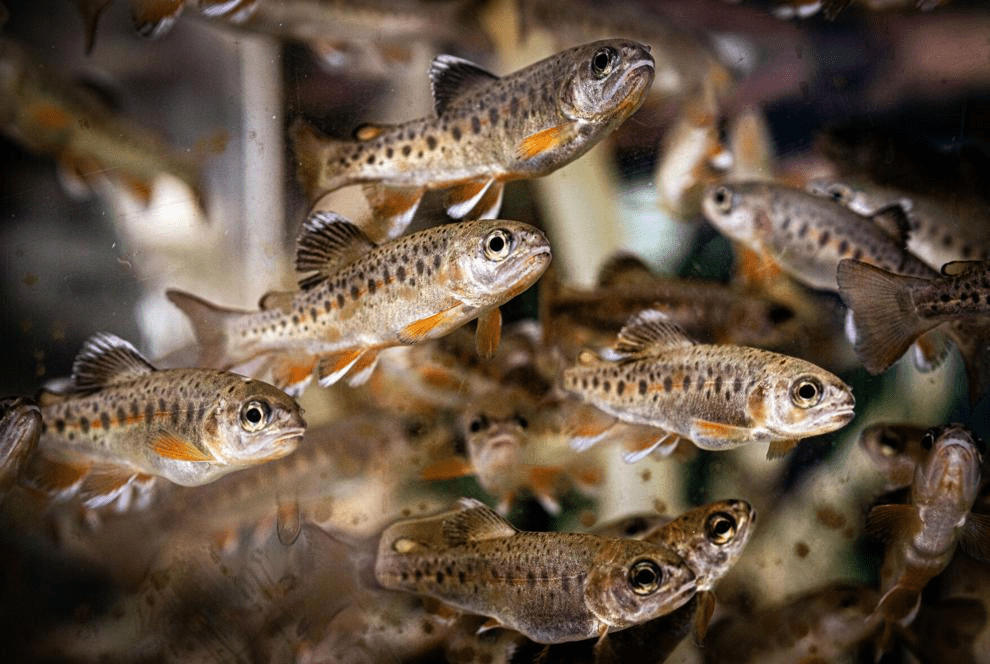
As concern grew that native Gila trout might some day become extinct, the state authorized a $6 million renovation of the facility to raise only that species. The major remodeling work began in 2017 and the facility began raising Gila trout in 2024. The surviving brood stock for the Gila trout had been managed by the U.S. Fish and Wildife Service at a hatchery hundreds of miles north of Glenwood in Mora, NM. In the last 75 years, populations of the species had been reduced by overfishing, climate change, habitat destruction and natural disasters in the form of several devastating forest fires.
Finally, in the last two years, the Glenwood hatchery has been able to raise Gila trout from its own self sustaining brood stock. The hope is that the facility will be able to raise up to 85,000 fish in a year to stock in the creeks, rivers and lakes in the Gila National Forest and Aldo Leopold Wilderness. Restoring a fish species that had adapted to the often harsh conditions of southwestern New Mexico makes a lot of sense in my mind. In the long run, they will fare better that the imported species of rainbow, brown and brook trout that were introduced to that area during the last century.
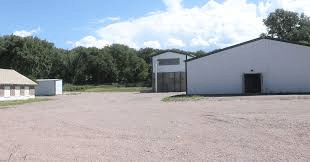
The Glenwood hatchery originally produced rainbow trout that were stocked in the waters of southwestern New Mexico. Rustic river-rock constructed buildings, crafted by the WPA, are still present at the hatchery, but more updated buildings housing the various phases of fish production have been erected at the site.
On my tour, I learned even more about Gila trout than I had known before. They are extremely difficult to raise, more so than other trout species. For example, the amount of milt (sperm) that males produce is much less than other trout species. It takes milt from two males to fertilize eggs from one female. The first attempts at breeding the species at the Glenwood hatchery resulted in only about a1 percent success ratio. They also tend to be more inclined to search for food at lower levels of water in streams and lakes, rather than feed on the top of the water like rainbow trout.
However, once acclimated to life in the hatchery, they are just as voracious as any other species in taking food where ever they can find it. The short video clip below shows how they react when food is tossed into their tank. (And yes, I got soaked when filming this frenzy.)
The Glenwood-Allred Wildlife Management area is adjacent to the small village of Glenwood. It offers opportunities to view area wildlife, including a variety of bird species. There are trails throughout the 107 acres.
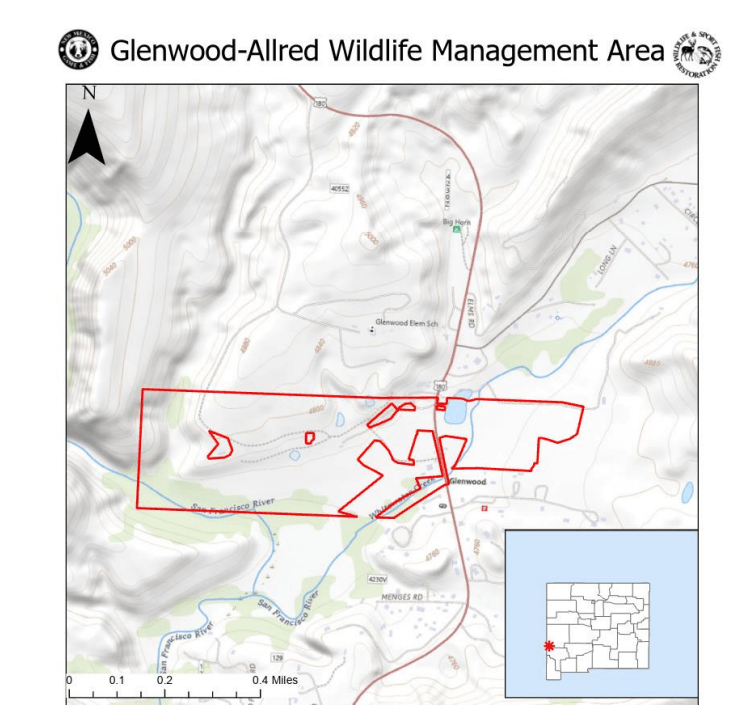
If you haven’t been to Glenwood lately, this summer might be a good time to go to enjoy the new wildlife area, tour the hatchery and try to catch some of the Gila trout that were released last weekend on Whitewater creek along the Catwalk. The drive from Silver City to Glenwood has always been one of my favorites in the state, especially in late summer after monsoon rains have turned the landscape unexpectedly green.

